
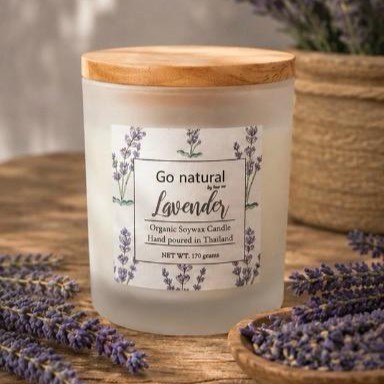
💜 Lavender Fields Organic Soy Candle
Transform your space into a peaceful mountain sanctuary.
Slow down, breathe in, and let the stress of the day melt away. Our Lavender Fields candle is meticulously hand-poured using 100% organic soy wax and infused with pure, therapeutic-grade Lavender Essential Oil. Formulated to offer a clean, slow, and soot-free burn, this candle releases a true, comforting herbaceous aroma that naturally clears a busy mind, calms the nervous system, and prepares your body for a deep, restful sleep.
✨ The Premium Ingredients & Their Benefits
-
100% Organic Soy Wax: Made from entirely renewable, plant-based resources. Soy wax burns much cooler and slower than traditional paraffin wax, giving you a longer-lasting candle. It provides a clean, toxin-free burn that is completely safe for your home, your pets, and the planet.
-
Pure Lavender Essential Oil: No synthetic fragrances or artificial boosters. This candle uses genuine lavender essential oil, celebrated for centuries in aromatherapy for its powerful ability to reduce anxiety, alleviate mental fatigue, lower heart rate, and promote a profound sense of tranquil relaxation.
💡 Why You’ll Love It
-
True Aromatherapy: Powered entirely by nature to deliver genuine holistic benefits for sleep and stress relief.
-
Eco-Friendly & Sustainable: Biodegradable soy wax paired with a lead-free cotton wick for an ultra-clean burn.
-
Artisanal Quality: Hand-poured in small batches with love, keeping your air pure and your mind at peace.
🌿 How to Enjoy Your Candle
To get the absolute most out of your organic soy candle, allow the wax to melt completely across the top surface during your first burn (about 1-2 hours). This prevents “tunneling” and ensures a beautiful, even burn every single time you light it.
Size 170 g
Burning time: Approximately 30-40 hours
Buring instruction : Trim non-metal, lead-free wick to 1/4″ before each lighting.
Warnings
To prevent fire, burn candles within sight and out of the reach of children and pets and inflammable materials.
Lavender essential oil is one of the most popular and versatile essential oils, and for good reason! It boasts a wide array of benefits for the mind, body, and home. Here’s a breakdown of its key advantages:
Mind & Emotions:
-
Reduces Stress and Anxiety: Lavender’s calming aroma has been shown in studies to reduce anxiety levels, even in stressful situations like before an MRI or dental treatment. It can promote relaxation and a sense of well-being.
-
Improves Sleep Quality: Lavender is a popular natural remedy for insomnia and sleep disturbances. Its soothing properties can help calm the nervous system, improve sleep onset, duration, and overall quality. Some studies even suggest it can improve melatonin levels.
-
Boosts Mood and May Help with Depression: The pleasant scent of lavender can help lift your mood and reduce symptoms of depression. Research indicates it may lower cortisol levels and have a positive effect on the nervous system.
-
Enhances Relaxation: Whether through aromatherapy or topical application, lavender promotes relaxation and can ease tension in the body and mind.
-
May Improve Focus and Memory: Some studies suggest that inhaling lavender can improve concentration and memory recall.
Body & Health:
-
Pain Relief: Lavender has analgesic and anti-inflammatory properties that can help ease muscle aches, joint pain, headaches (including migraines), and even menstrual cramps.
-
Anti-inflammatory: Compounds in lavender oil can help reduce inflammation, potentially benefiting conditions like eczema and arthritis.
-
Antimicrobial: Lavender possesses antibacterial, antiviral, and antifungal properties, making it useful for minor cuts, burns, and skin infections. It can also help fight oral bacteria and certain types of fungi.
-
Supports Skin Health: It can help soothe irritated skin, reduce redness and swelling, and promote wound healing. Its antiseptic properties can also help prevent infection.
-
May Promote Hair Growth: Some research suggests that lavender oil may help stimulate hair growth and improve scalp health.
-
May Lower Blood Pressure: Lavender is known for its ability to calm the nervous system, which can lead to a reduction in blood pressure.
-
May Relieve Menstrual Pain: Studies have shown that inhaling or applying lavender oil to the abdomen can help reduce menstrual pain.
-
May Aid Digestion: Traditionally, lavender has been used to soothe digestive issues like upset stomach and gas.
Home & Environment:
-
Natural Insect Repellent: Lavender’s strong scent can help repel mosquitoes and other insects.
-
Natural Deodorizer: Diffusing lavender oil can freshen the air and eliminate unpleasant odors.
-
Natural Cleaning Agent: Its antimicrobial properties make it a useful addition to homemade cleaning solutions.
Important Considerations:
-
Dilution: Always dilute lavender essential oil with a carrier oil (like jojoba, almond, or coconut oil) before applying it topically to avoid skin irritation.
-
Patch Test: Perform a patch test before using it extensively on your skin.
-
Pregnancy and Breastfeeding: Consult a healthcare professional before using essential oils if you are pregnant or breastfeeding.
-
Internal Use: Ingesting lavender essential oil is generally not recommended unless under the guidance of a qualified professional.
-
Keep Away From Eyes: Avoid contact with eyes and mucous membranes.
-
Individual Reactions: Some individuals may be sensitive to lavender.
น้ำมันหอมระเหยลาเวนเดอร์เป็นน้ำมันหอมระเหยที่ได้รับความนิยมและมีประโยชน์หลากหลายที่สุดชนิดหนึ่ง และมีเหตุผลที่ดีด้วย! น้ำมันหอมระเหยลาเวนเดอร์มีประโยชน์มากมายต่อทั้งจิตใจ ร่างกาย และบ้าน นี่คือรายละเอียดของข้อดีหลักๆ ของน้ำมันหอมระเหยลาเวนเดอร์:
จิตใจและอารมณ์:
● ลดความเครียดและความวิตกกังวล: จากการศึกษาพบว่ากลิ่นหอมอันผ่อนคลายของลาเวนเดอร์ช่วยลดระดับความวิตกกังวลได้ แม้ในสถานการณ์ที่ตึงเครียด เช่น ก่อนเข้ารับการตรวจ MRI หรือการรักษาทางทันตกรรม นอกจากนี้ยังช่วยส่งเสริมการผ่อนคลายและความรู้สึกเป็นอยู่ที่ดี
● ปรับปรุงคุณภาพการนอนหลับ: ลาเวนเดอร์เป็นยาธรรมชาติที่ได้รับความนิยมสำหรับอาการนอนไม่หลับและการนอนหลับไม่นิท คุณสมบัติในการปลอบประโลมของลาเวนเดอร์สามารถช่วยทำให้ระบบประสาทสงบลง ปรับปรุงการนอนหลับ ระยะเวลาการนอนหลับ และคุณภาพโดยรวมให้ดีขึ้น การศึกษาวิจัยบางชิ้นยังแนะนำว่าลาเวนเดอร์สามารถช่วยเพิ่มระดับเมลาโทนินได้
● ช่วยให้มีอารมณ์ดีและอาจช่วยบรรเทาอาการซึมเศร้าได้ กลิ่นหอมอันน่ารื่นรมย์ของลาเวนเดอร์สามารถช่วยให้คุณอารมณ์ดีและลดอาการซึมเศร้าได้ การวิจัยระบุว่าลาเวนเดอร์อาจช่วยลดระดับคอร์ติซอลและส่งผลดีต่อระบบประสาท ● เพิ่มความผ่อนคลาย: ไม่ว่าจะใช้กลิ่นหอมบำบัดหรือทาเฉพาะที่ ลาเวนเดอร์ช่วยผ่อนคลายและลดความตึงเครียดในร่างกายและจิตใจได้
● อาจช่วยเพิ่มสมาธิและความจำ: การศึกษาวิจัยบางชิ้นแนะนำว่าการสูดดมลาเวนเดอร์สามารถช่วยเพิ่มสมาธิและความจำได้
ร่างกายและสุขภาพ:
● บรรเทาอาการปวด: ลาเวนเดอร์มีคุณสมบัติในการระงับปวดและต้านการอักเสบ ซึ่งสามารถช่วยบรรเทาอาการปวดกล้ามเนื้อ ปวดข้อ ปวดหัว (รวมถึงไมเกรน) และแม้แต่ปวดประจำเดือน
● ต้านการอักเสบ: สารประกอบในน้ำมันลาเวนเดอร์สามารถช่วยลดการอักเสบ ซึ่งอาจเป็นประโยชน์ต่ออาการต่างๆ เช่น กลากและโรคข้ออักเสบ
● ต้านจุลชีพ: ลาเวนเดอร์มีคุณสมบัติต้านเชื้อแบคทีเรีย ต้านไวรัส และต้านเชื้อรา ทำให้มีประโยชน์ต่อบาดแผลเล็กน้อย ไฟไหม้ และการติดเชื้อที่ผิวหนัง นอกจากนี้ยังสามารถช่วยต่อสู้กับแบคทีเรียในช่องปากและเชื้อราบางชนิด
● บำรุงสุขภาพผิว: สามารถช่วยปลอบประโลมผิวที่ระคายเคือง ลดรอยแดงและอาการบวม และส่งเสริมการสมานแผล คุณสมบัติในการฆ่าเชื้อยังช่วยป้องกันการติดเชื้อได้อีกด้วย
● อาจส่งเสริมการเจริญเติบโตของเส้นผม: การวิจัยบางอย่างแนะนำว่าน้ำมันลาเวนเดอร์อาจช่วยกระตุ้นการเจริญเติบโตของเส้นผมและปรับปรุงสุขภาพหนังศีรษะ
● อาจลดความดันโลหิต: ลาเวนเดอร์เป็นที่รู้จักกันว่ามีคุณสมบัติในการทำให้ระบบประสาทสงบลง ซึ่งสามารถนำไปสู่การลดความดันโลหิต
● อาจบรรเทาอาการปวดประจำเดือน: การศึกษาแสดงให้เห็นว่าการสูดดมหรือทาน้ำมันลาเวนเดอร์ที่หน้าท้องสามารถช่วยลดอาการปวดประจำเดือนได้
● อาจช่วยย่อยอาหาร: โดยทั่วไปแล้ว ลาเวนเดอร์ถูกใช้เพื่อบรรเทาปัญหาในการย่อยอาหาร เช่น ท้องไส้ปั่นป่วนและแก๊ส

Reviews
There are no reviews yet.